
Choghaḍiyā
Choghaḍiyā divides daylight and night into eight periods each, with seven recurring names. Mạghā calculates all sixteen from local sunrise and sunset and labels them Favourable or Avoid. Their duration changes with the date and location.
Day periods of 1 hour 31 minutes from sunrise at 06:12: Kāl, Śubh, Rog, Udveg, Chal, Lābh, Amṛt, Kāl. Night periods of 1 hour 29 minutes from sunset at 18:19 to 06:12: Lābh, Udveg, Śubh, Amṛt, Chal, Rog, Kāl, Lābh.
Elapsed from sunrise / sunset · 012 h 7 min
- Day · 06:12–18:19
- 1. Kāl
- 2. Śubh
- 3. Rog
- 4. Udveg
- 5. Chal
- 6. Lābh
- 7. Amṛt
- 8. Kāl
- Night · 18:19–06:12
- 1. Lābh
- 2. Udveg
- 3. Śubh
- 4. Amṛt
- 5. Chal
- 6. Rog
- 7. Kāl
- 8. Lābh
Day and night periods have different lengths
Day and night are divided separately, so their periods match only when day and night are the same length. On Saturday 12 September 2026 in Bengaluru, Mạghā puts sunrise at 06:12 and sunset at 18:19. Each day Choghaḍiyā lasts 1 hour 31 minutes. Each night Choghaḍiyā, running on to sunrise at 06:12 the next morning, lasts 1 hour 29 minutes.
That Saturday's day runs Kāl, Śubh, Rog, Udveg, Chal, Lābh, Amṛt and Kāl again. Its night runs Lābh, Udveg, Śubh, Amṛt, Chal, Rog, Kāl and Lābh again. The diagram draws both sequences to scale and shades each period by how Mạghā tags it. At 12:00, the sample's reference time, the day was in Udveg, which ran from 10:44 to 12:15.
Amṛt, Śubh and Lābh are favourable, and almanacs rate Amṛt highest
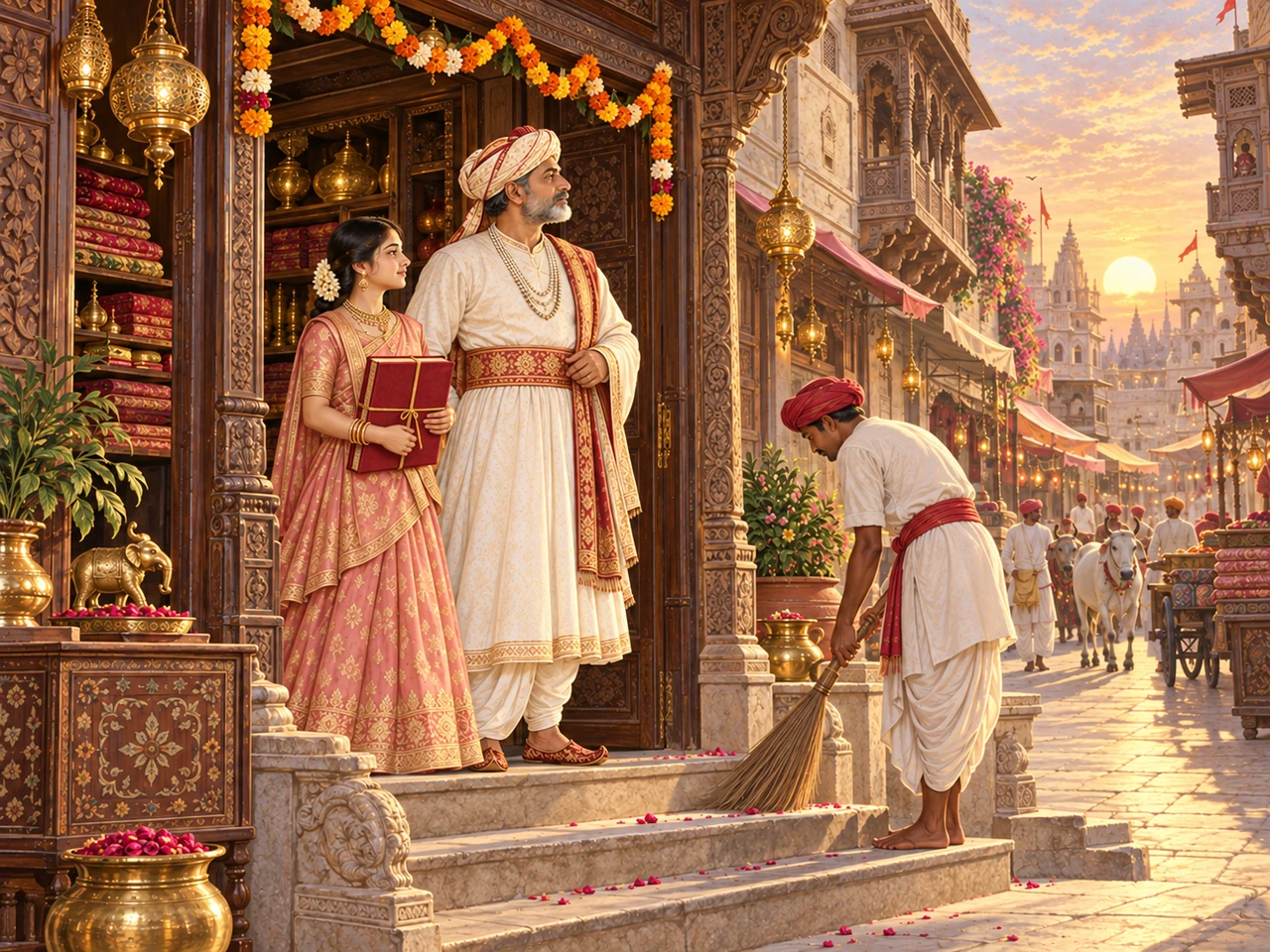
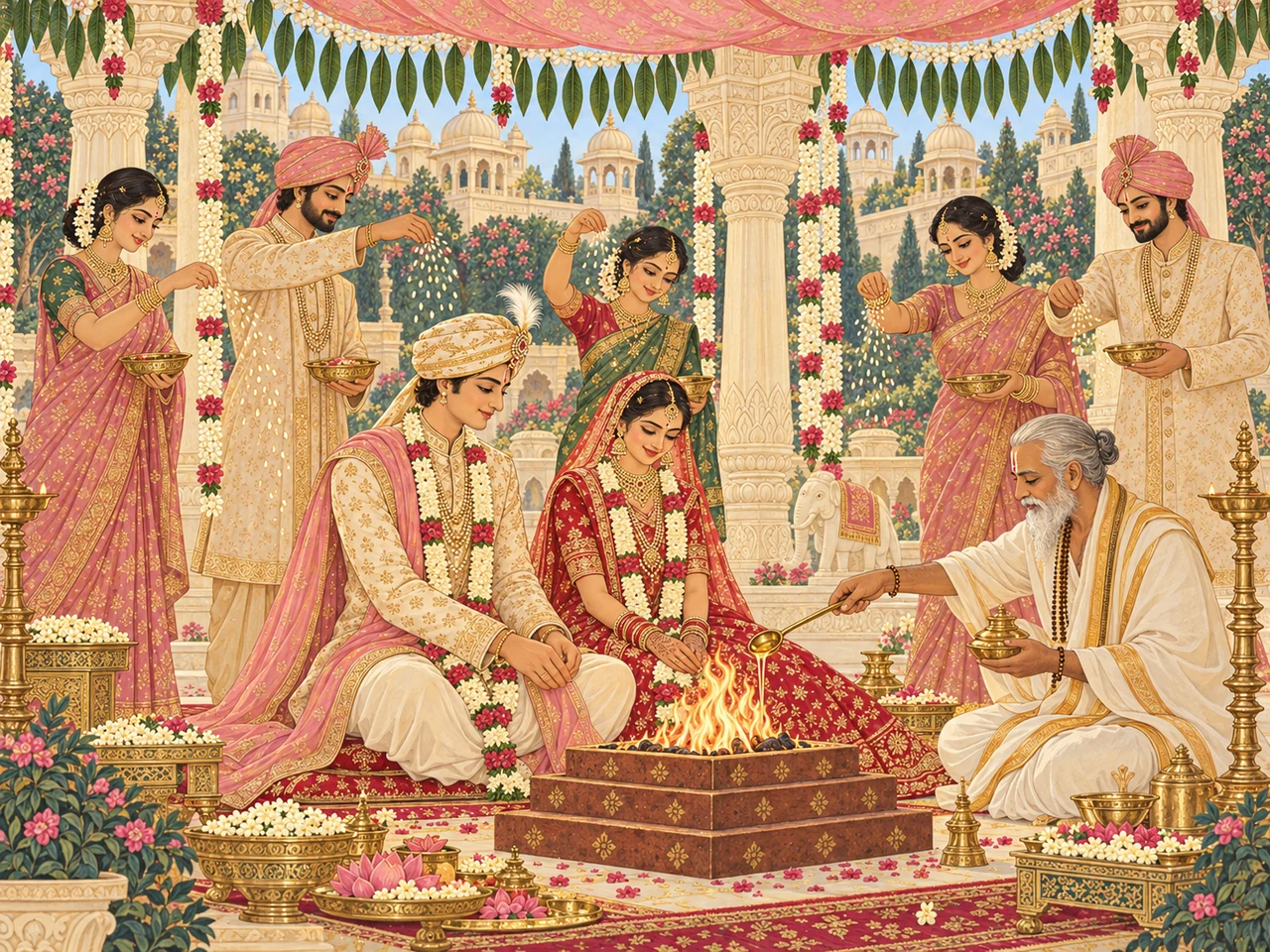
Each type takes its character from a planet. Amṛt, “nectar”, belongs to the Moon; almanacs rate it the best of the seven and treat it as suitable for any kind of work. Śubh, “auspicious”, belongs to Jupiter and is the usual choice for marriages and religious ceremonies. Lābh, “gain”, belongs to Mercury and is favoured for opening a business, trading and beginning studies.
Mạghā tags all three “Favourable”. They also count in favour of every activity in its activity planner, from travel and signing to house-warming, medicine and marriage, and the planner names the active Choghaḍiyā among the reasons it gives for a recommended window, alongside any suitable Horā or muhūrta.
Chal, the moving period, is the traditional time to travel
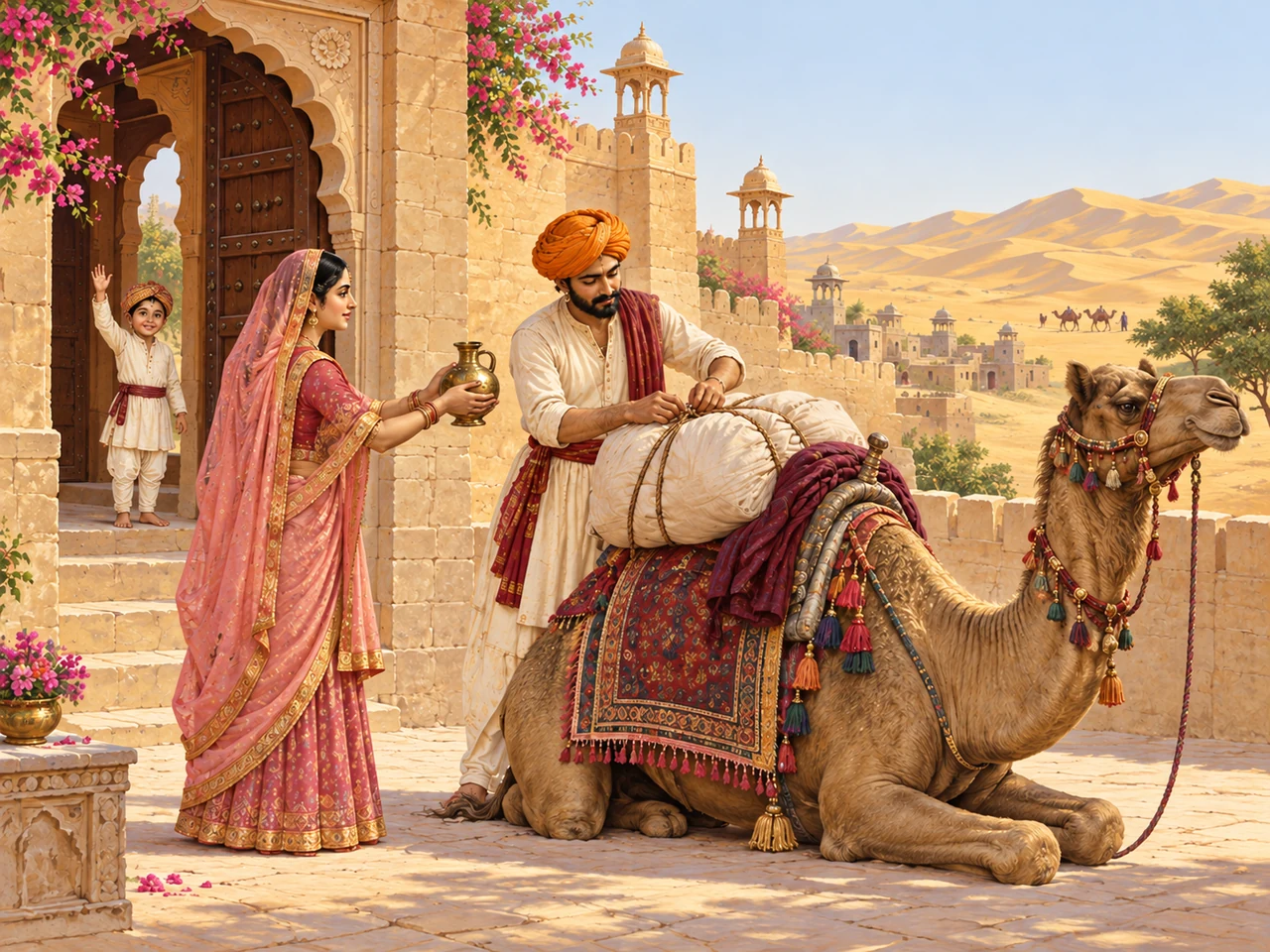
Chal, also written Char, belongs to Venus and means “moving”. Almanacs recommend it above all for journeys, which suits a system traditionally used to time travel. They disagree on how to class it. Drik Panchang's explanatory text counts it among four good Choghaḍiyās, while its own daily tables, like several other almanacs, label it neutral.
Mạghā shows Chal as “Chara” and tags it “Favourable”, following the four-good, three-bad division. Its activity planner is narrower: Chal counts in favour of travel only. For signing, ceremonies and other starts it adds no weight either way, so Chal alone never earns a recommendation for those activities.
Almanacs advise against new starts in the three cautionary types
Udveg, “anxiety”, belongs to the Sun. Kāl, Saturn's period, is read as loss and delay. Rog, “illness”, belongs to Mars. Almanacs advise against beginning anything auspicious in them, and Mạghā tags each “Avoid”.
Drik Panchang still gives each a use, noting that a bad Choghaḍiyā can suit a particular task: Udveg for dealing with government, Kāl for building wealth and Rog for contests such as a debate. Mạghā's activity planner counts only favourable Choghaḍiyās, so a cautionary one adds no weight there. The windows that rule a time out in the planner are different: Rāhu Kālam, Yamagaṇḍa, Gulika Kālam, Durmuhūrta, Varjyam and Viṣṭi, with Pañchaka added for house-warming, marriage, property and ceremonies.
The weekday's planet opens the day, and the fifth weekday's opens the night
Day choghaḍiyā starts with the weekday's planet: Sunday Udveg, Monday Amṛt, Tuesday Rog, Wednesday Lābh, Thursday Śubh, Friday Chal, Saturday Kāl. Continue Sun → Venus → Mercury → Moon → Saturn → Jupiter → Mars. Night starts with the fifth weekday's planet, counting inclusively, and advances by the same fifth-weekday rule: Śubh → Amṛt → Chal → Rog → Kāl → Lābh → Udveg. Each eight-part sequence repeats its starting type at the end.
Day and night Choghadiya
Day & night Choghadiya lists eight periods from sunrise and eight from sunset, with 24-hour boundaries and Favourable or Avoid labels. NOW marks the reference time; past periods dim and post-midnight times include their date.
Note: Mạghā uses the Sun’s centre without refraction. Almanacs using the upper edge with refraction can differ by minutes: about 3½ minutes at Bengaluru sunrise on 12 September 2026.
What people ask about Choghaḍiyā
Which Choghaḍiyā is best, Lābh or Amṛt?
Almanacs usually rate Amṛt highest and treat it as suitable for any work. Lābh, the period of gain, is the common choice for business, trade and study, and Śubh for marriages and ceremonies, so the best one depends on what you are starting. Mạghā tags all three “Favourable”, and its activity planner counts each of them for every activity.
When does the night Choghaḍiyā start?
At sunset. The night sequence runs from sunset to the next sunrise in eight equal parts, so it starts at a different clock time each day and in each place. In Bengaluru on 12 September 2026 it began at 18:19 and ended at 06:12 the next morning. Periods after midnight still belong to the previous weekday's night, because the Pañchāṅga day runs from sunrise to sunrise.
Should I follow Choghaḍiyā or Rāhu Kālam?
They are independent systems built on the same eight parts of daylight, so every Rāhu Kālam coincides with one day Choghaḍiyā, sometimes a favourable one. In Bengaluru on 12 September 2026, Rāhu Kālam matched Rog, but Yamagaṇḍa matched Lābh. Traditions settle such clashes differently. In Mạghā's activity planner, Rāhu Kālam, Yamagaṇḍa and Gulika Kālam always override a favourable Choghaḍiyā.
Can I use Choghaḍiyā outside India?
Yes. Choghaḍiyā depends only on local sunrise and sunset, so work it out for the city you are in rather than converting Indian clock times. Choose any city on Mạghā's Pañchāṅga page, from Edison in New Jersey to London, and it calculates that day's periods from local sunrise and sunset, in the local time zone, with daylight saving where it applies.
Check today's Choghaḍiyā for your city

Bengaluru, India · Asia/Kolkata
Check day and night Choghaḍiyā free, without an account. The demo uses Bengaluru at noon on Saturday, 12 September 2026; its date and place stay fixed.
See today's Choghaḍiyā