
Ashtakoota Matching
Aṣṭakūṭa compares eight factors derived from two people's Moon signs and birth stars, with a maximum of 36 points. Mạghā shows each comparison beside the total, helping you understand how the traditional Guna Milan score is formed.
The eight Kootas have maximum weights from one to eight, adding to 36. These are available points, not an awarded score.
| Koota | What it compares | Maximum points |
|---|---|---|
| Varna | Traditional categories associated with the Moon signs | 1 |
| Vashya | Symbolic affinity between Moon-sign groups | 2 |
| Tara | The relationship between the birth stars | 3 |
| Yoni | Animal symbols assigned to the birth stars | 4 |
| Graha Maitri | Friendship between the Moon-sign rulers | 5 |
| Gana | Traditional disposition groups of the birth stars | 6 |
| Bhakoot | The relative positions of the Moon signs | 7 |
| Nadi | The birth stars' traditional Nadi groups | 8 |
How the 36 points are divided
Each Koota examines a different traditional relationship between the two charts. Its maximum points determine how much it contributes to the total.
These labels describe astrological classifications. They should not be used to judge a person's worth, character or medical health.
Understand what contributes to your score
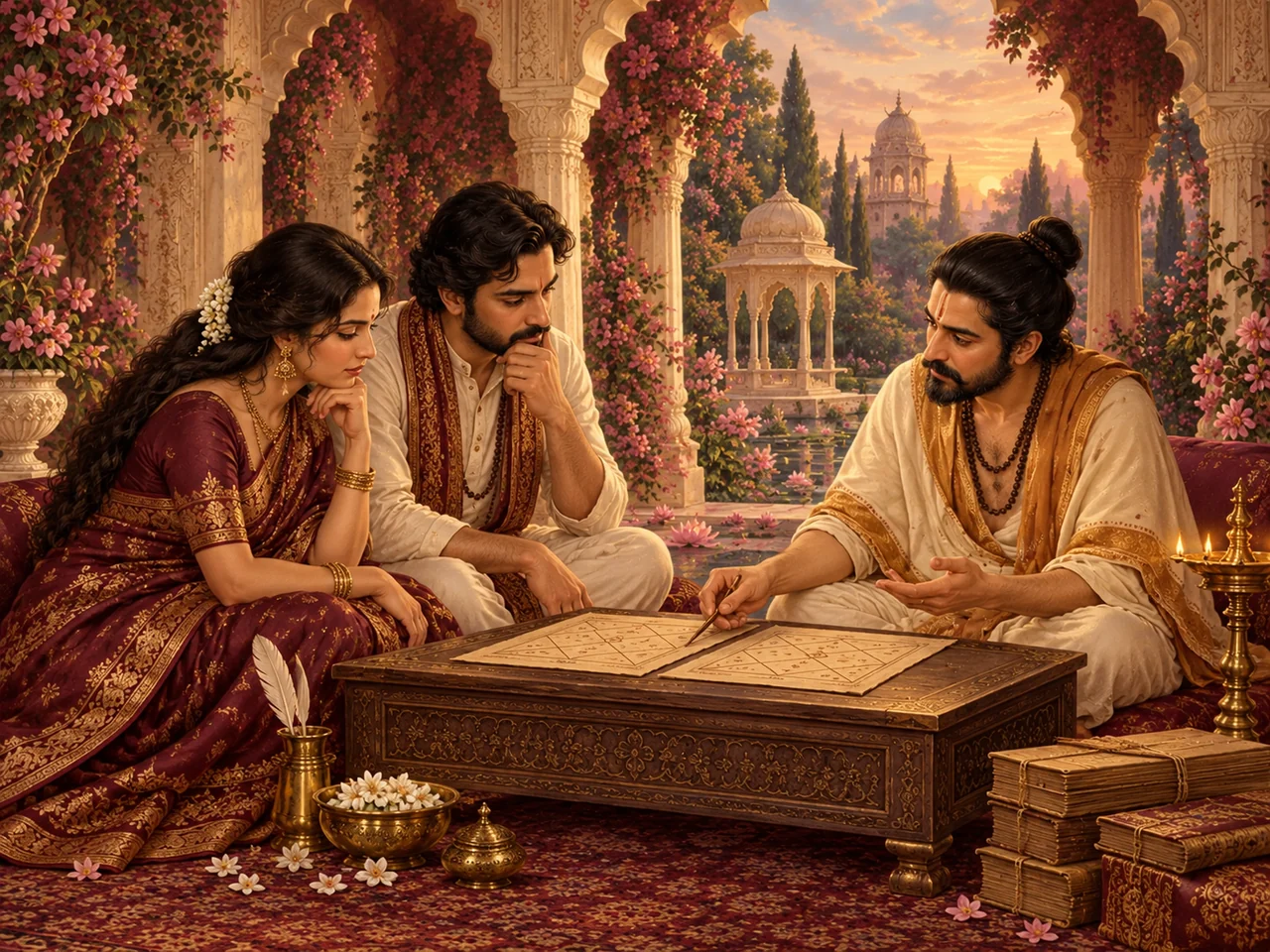
Two matches can have the same total while receiving different points across the eight Kootas. Reading the individual results shows where the traditional method finds agreement and where a closer examination may be useful.
Ashtakoota provides one part of a horoscope-matching reading. The complete charts and the circumstances of the relationship also deserve attention.
A Guna Milan score does not guarantee a relationship's outcome.
From birth details to Guna Milan
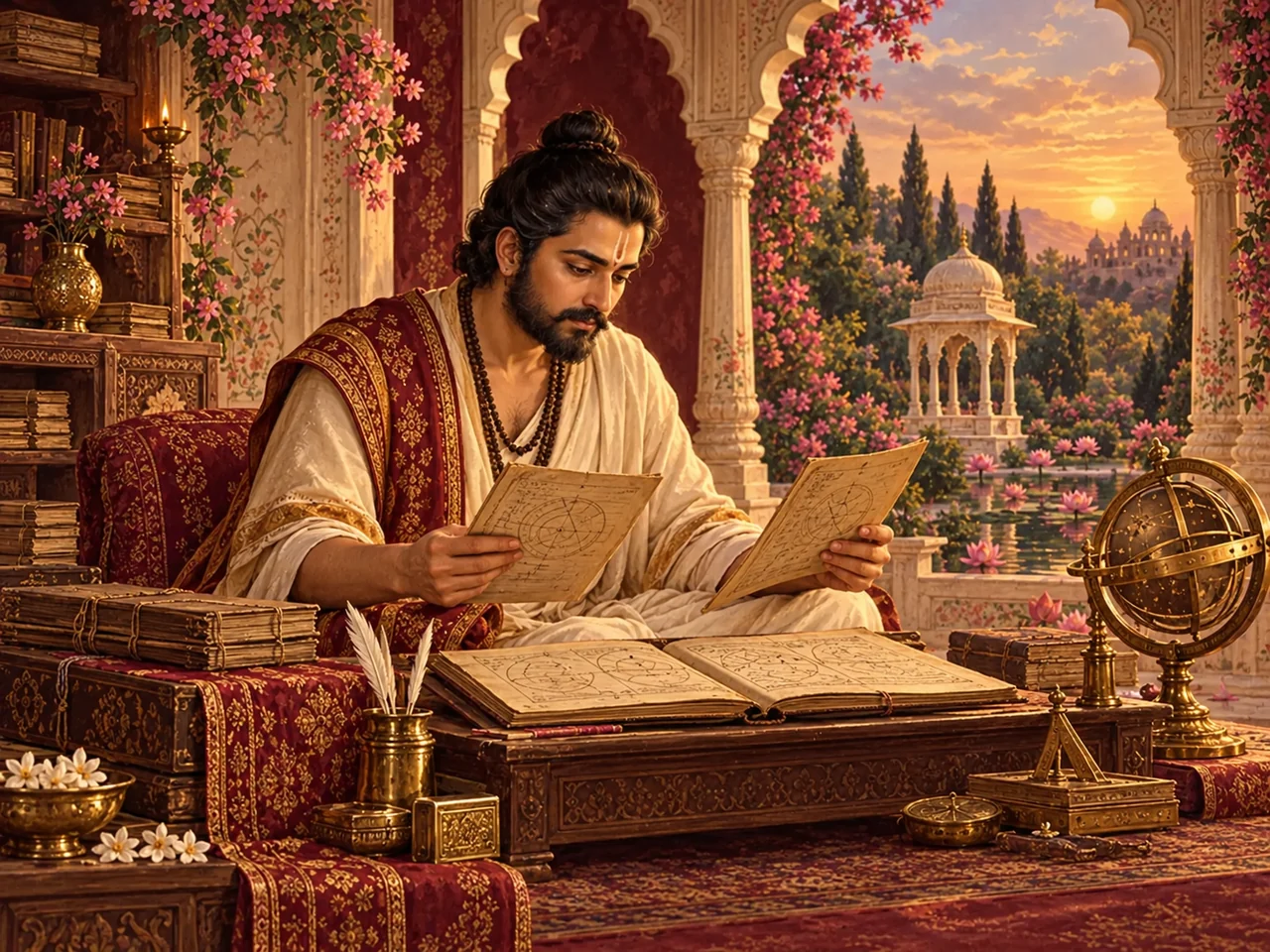
The calculation begins with each person's birth date, time and place. These establish the Moon's position, including its zodiac sign and birth star.
The matching method then applies the relevant comparison rules to each Koota. The awarded points are added to produce the total out of 36.
In Mạghā, you can examine the traditional table within your matching report, with each factor and its contribution shown separately.
Questions about Ashtakoota
The calculation, step by step
- Resolve both birth records, including their dates, times, locations and timezones.
- Determine each Moon's sidereal sign and birth star using the applicable calculation settings.
- Identify the classifications and relationships required by each Koota.
- Apply the selected matching rules and add the awarded points, up to a maximum of 36.
Does the total decide whether two people should marry?
The total summarizes this traditional comparison. Read the individual factors and the complete charts, while considering the relationship itself and the choices of both people.
Is this the same as the report's life-area ratings?
The Ashtakoota table is a traditional calculation. The report's assessments across eight life areas are produced separately with AI, using the chart information. They are different parts of the report.
See your Guna Milan breakdown

Compare eight Kootas and the score out of 36 for two birth charts. Start with the illustrative sample report before choosing a personal matching report.
Check your Guna Milan